Smile Analysis: The Blueprint For A Balanced, Natural Smile
A smile analysis is a structured evaluation of the teeth, gums, lips, facial features, and bite. It helps a dentist understand how these elements work together before recommending cosmetic or restorative treatment. Rather than focusing on a single tooth, the assessment considers the complete appearance and function of the smile.
This process is useful for people exploring veneers, crowns, teeth whitening, dental implants, invisible aligners, or a complete smile makeover. It can also identify concerns that are not immediately visible, such as an uneven bite, excessive gum display, worn enamel, or tooth proportions that affect facial harmony.
At TruDent Clinics in Izmir, a smile assessment supports a personalized treatment plan based on each patient’s dental health, facial structure, preferences, and expectations. The goal is to create a result that looks natural, feels comfortable, and supports long-term oral health.
What A Smile Analysis Examines
A comprehensive evaluation begins with the teeth. The dentist may assess their colour, shape, size, alignment, spacing, position, and condition. Existing fillings, cracks, enamel wear, decay, and previous dental work are also considered because these factors can influence which treatments are safe and appropriate.
The gums are equally important. Their colour, contour, symmetry, and relationship to the teeth can change the appearance of a smile. A gummy smile, uneven gumline, gum recession, or inflammation may need attention before cosmetic dentistry begins. Healthy gum tissue provides a stronger foundation for veneers, crowns, bridges, and implants.
Facial balance is another part of the process. The dentist looks at the relationship between the smile and the lips, cheeks, chin, and overall facial proportions. The amount of tooth visible when the lips are relaxed, speaking, and smiling can help guide decisions about tooth length and position.
The assessment may also include the bite and jaw. The way the upper and lower teeth meet affects comfort, chewing, speech, and the durability of restorations. Jaw tension, clenching, or signs of tooth grinding may be relevant when designing a smile enhancement.
Why This Assessment Matters
A smile can look attractive in isolation yet appear unsuitable when it does not complement the rest of the face. Smile design helps avoid this problem by considering proportions and symmetry rather than applying the same tooth shape or shade to every patient. It creates a clearer basis for discussing what will look balanced and realistic.
The evaluation also separates aesthetic concerns from functional or health-related issues. For example, a patient may request veneers to correct uneven teeth, but untreated gum disease, decay, or an unstable bite could compromise the outcome. Addressing these concerns first can improve comfort and help dental work last longer.
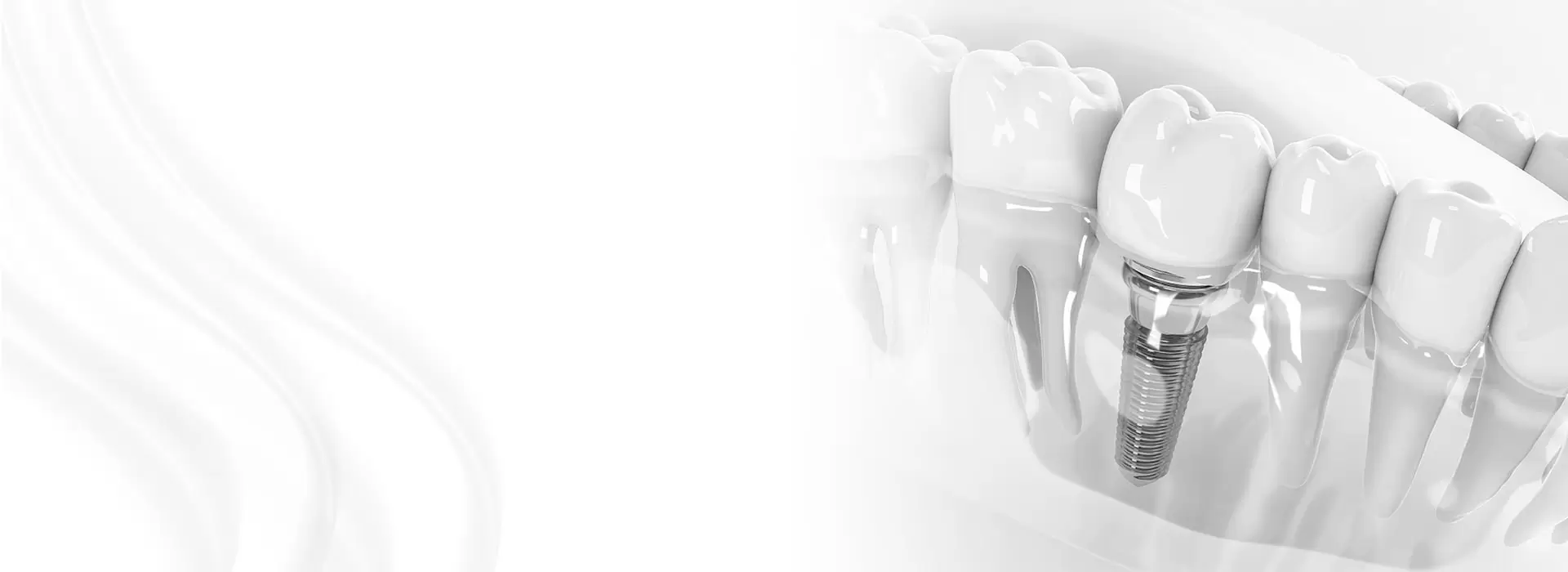
Smile analysis is valuable for managing expectations. Tooth whitening can brighten natural enamel, but it cannot change tooth position or repair structural damage. Veneers can modify shape and colour, while aligners can gradually improve alignment. Implants replace missing tooth roots and crowns restore damaged tooth structure, but each option has a different purpose.
A detailed consultation gives patients an opportunity to understand these distinctions before making a decision. It can also reveal when a conservative option may be sufficient, reducing the need for unnecessary treatment.
How The Process Usually Works
The appointment commonly starts with a discussion about the patient’s goals. Some people want a brighter smile, while others are concerned about gaps, chipped teeth, a gummy appearance, missing teeth, or crowding. Lifestyle, timeline, budget, previous dental experiences, and desired level of change may also be discussed.
The dentist then performs an oral examination and may take clinical photographs, digital scans, X-rays, or other diagnostic records. These tools provide information about the visible smile as well as the roots, bone, jaw relationship, and hidden areas that cannot be assessed from photographs alone.
Digital smile design may be used to preview possible changes. A digital model can help show how adjustments to tooth width, length, position, or shade may affect the overall appearance. This preview is a communication tool rather than a guarantee of the final result, since healing, material characteristics, and individual biology can influence the outcome.
Speech and lip movement can be relevant as well. Teeth that appear balanced in a still image may look different during conversation or laughter. A careful evaluation takes these everyday movements into account so the proposed treatment works in real-life situations.
What The Findings Can Reveal
The results of a smile assessment may point toward one treatment or a combination of procedures. Minor colour concerns may respond well to professional whitening, while small chips or shape irregularities may be addressed with bonding or carefully planned veneers. The most suitable choice depends on enamel condition, bite forces, tooth position, and the amount of change desired.
Crowns may be considered when a tooth is significantly weakened, heavily restored, or structurally damaged. Their purpose is different from veneers, which generally cover the visible front surface and are often used to change colour, shape, or minor spacing. A dentist must determine whether enough healthy structure remains and how much preparation is appropriate.
Missing teeth require a broader assessment of bone support, gum health, neighbouring teeth, and bite stability. Dental implants may offer a durable replacement option, while bridges or removable solutions may be suitable in other circumstances. Smile analysis helps place the missing tooth within the wider design of the smile instead of treating it as an isolated gap.
Alignment concerns may lead to clear aligners or orthodontic treatment. Patients comparing options can review braces and Invisalign as part of the decision-making process. The right approach depends on the complexity of movement, compliance, aesthetics, treatment duration, and clinical findings.
| Smile concern |
Possible approaches |
What the assessment clarifies |
| Dark or uneven tooth colour |
Professional whitening, veneers, or crowns |
Whether the discolouration is on the surface or within the tooth |
| Small chips or irregular edges |
Bonding, enamel contouring, or veneers |
How much tooth structure is healthy and how much change is needed |
| Crowding or gaps |
Clear aligners or orthodontic treatment |
The bite, movement required, and treatment suitability |
| Worn or weakened teeth |
Crowns, onlays, or restorative care |
The level of structural damage and protection required |
| Missing teeth |
Implants, bridges, or other replacements |
Bone, gum, bite, and space conditions |
| Excessive gum display |
Gum contouring, orthodontics, or combined care |
Whether the cause is gum position, tooth position, or lip movement |
Personalising Shape, Shade, And Proportion
Tooth shade is only one part of smile aesthetics. A very bright colour may appear artificial if it conflicts with the patient’s skin tone, age, facial features, or the colour of existing teeth. The dentist may discuss translucency, brightness, warmth, and how the selected material behaves under different lighting.
Tooth shape should reflect the surrounding features. Broad, narrow, rounded, or more angular forms can create different visual effects, but the choice should suit the patient’s face and natural expression. Tooth length also matters because excessive length can affect speech, lip comfort, and the way the teeth meet.
Symmetry does not mean every tooth must be identical. Natural smiles often contain subtle variations that make them look authentic. A skilled smile design aims for visual balance while preserving appropriate individuality, rather than creating a uniform appearance that seems disconnected from the person.
For patients considering veneers or crowns, these decisions should be made before treatment begins. A consultation can include discussion of material options, tooth preparation, temporary restorations, maintenance, and the likely lifespan of the proposed work.
Preparing For A Productive Consultation
Patients can make the appointment more useful by bringing a clear idea of what they would like to change. Reference photographs may help explain preferences, although a dentist will assess whether a similar result is realistic for the patient’s teeth, facial proportions, and oral health.
It is helpful to mention sensitivity, jaw discomfort, headaches, clenching, grinding, previous orthodontic treatment, and any concerns about speech or chewing. These details may affect treatment sequencing and the design of restorations or alignment plans.
A full assessment should also include questions about maintenance. Patients may need to understand how treatment affects brushing, flossing, professional cleanings, night guards, dietary habits, and future repairs. Cosmetic dentistry is an investment, and informed aftercare supports the appearance and function of the result.
At TruDent Clinics, the consultation can bring these findings together into a tailored plan. Depending on the case, treatment may begin with preventive or restorative care before cosmetic procedures are considered. This staged approach helps protect the health of the teeth and gums while working toward the desired smile.
Practical Steps Before Choosing Treatment
- Define the main concern, such as colour, alignment, tooth shape, gum display, wear, or missing teeth.
- Ask which options are conservative and how each treatment may affect healthy tooth structure.
- Request an explanation of the bite, gum health, maintenance needs, and expected treatment sequence.
- Review digital previews or temporary designs carefully, while understanding that they represent an intended direction rather than an absolute guarantee.
- Choose a plan that balances appearance, comfort, function, oral health, and long-term value.
A smile analysis turns a general wish for a better smile into a clinically informed plan. By examining facial harmony, tooth proportions, gum contours, bite function, and oral health together, it helps patients choose treatment with greater clarity. Schedule a consultation with TruDent Clinics in Izmir to discuss your goals and develop a smile plan designed around your individual features and dental needs.