Repairing a Chipped Crown When You Are Far From Home
A chipped dental crown rarely happens at a convenient moment. Many patients first notice the problem mid-flight, on a long-haul layover in Singapore, or while exploring a market in Istanbul, far away from the dentist who placed the restoration. The porcelain or ceramic edge that once felt smooth against the inner cheek suddenly feels jagged, and the bite feels uneven. Because a crown protects the underlying tooth, any fracture needs prompt attention even if it does not hurt immediately. Travellers often delay treatment hoping the damage is cosmetic, but exposed margins collect bacteria quickly, especially in warm climates where dehydration and sugary drinks are common.
A broken restoration also changes how the mouth functions. Chewing shifts to the opposite side, jaw muscles fatigue faster, and a sharp edge can cut the tongue or inner lip overnight. For Australians who routinely cross multiple time zones to reach Europe or Asia, the earliest opportunity to see a trusted clinician is rarely available within a day. The good news is that most chipped crowns can be stabilised temporarily and repaired or replaced cleanly, as long as the right steps are taken in the right order.
Speed matters, but panic does not. The first goal is to keep the remaining crown and surrounding gum healthy until a dentist can assess it. Travellers who prepare a small dental first-aid kit before long trips from Sydney or Brisbane save themselves considerable stress when something goes wrong.
Knowing the right steps to take and the right questions to ask turns a stressful moment into a manageable one. The following guide walks through the process from the moment the damage is noticed through to follow-up care in the weeks that follow.
Assessing the damage and managing pain
The first task is to figure out whether the crown is simply chipped, fully dislodged, or broken in a way that affects the root underneath. A small chip on the biting surface of a crown on a molar feels rough but rarely causes immediate pain. A larger fracture that exposes the underlying tooth structure, however, can produce sharp sensitivity to cold drinks, which are popular during Brisbane summers and Bali beach stops. If the crown has come off entirely, the exposed tooth stump is usually sensitive to air and pressure, and any delay in covering it risks additional damage. Travellers are commonly urged to seek care within 24 hours for dislodged crowns and within a week for chips that cause no pain.
Pain management while travelling starts with what is available locally. Most pharmacies in major Australian hubs stock clove oil, dental wax, and temporary filling material. Ibuprofen taken at the recommended dose reduces inflammation around the gum, while paracetamol handles the ache. Salt-water rinses after meals keep the area clean when brushing is uncomfortable. Avoid very hot or cold foods, sticky lollies, and chewing on the damaged side. These steps buy time without making the underlying problem harder to treat later.
Australian travellers should also remember that tap water in Istanbul, Cappadocia, or coastal Turkey is generally safe, but bottled water is recommended for the first few days. Using bottled water for rinses protects the exposed tooth from contaminants during the critical first stage of repair.
Finding an emergency dentist abroad
Once the immediate symptoms are under control, the next step is locating a qualified dentist in the country where the problem occurs. Australians often call the 24-hour medical assistance line on their travel insurance. Cover-More, 1Cover, and the dental extras attached to Bupa, NIB, Medibank, or HCF policies can usually point travellers toward accredited English-speaking clinics in major Turkish cities. Many policies also cover a portion of emergency treatment, provided receipts and clinical notes are kept for the claim.
In Turkey, clinics that serve international patients tend to be concentrated in Istanbul, Ankara, Izmir, and resort towns along the Aegean coast. TruDent Clinics in Izmir, for example, handles emergency dental visits from travellers who need urgent stabilisation before returning home or continuing their itinerary. When contacting a clinic, send clear photographs of the damaged crown, the opposing teeth, and any X-rays taken within the last year. Most modern clinics accept digital records sent through secure messaging platforms, which speeds up triage dramatically.
Credentials matter more than proximity. Look for clinics registered with the Turkish Dental Association and ask whether the treating dentist has treated Australian or European patients before. Many clinics in Turkey publish their dentists' training on their websites, including post-graduate qualifications from Germany, the United Kingdom, or the United States.
Temporary repairs versus a full replacement
The clinical decision depends largely on the size and location of the chip. Small chips on the biting surface of a porcelain-fused-to-metal crown can usually be smoothed and rebuilt with composite resin in a single appointment. This is often called cosmetic bonding, and for patients weighing a full aesthetic overhaul later, comparing it with a complete smile redesign helps shape the long-term plan.
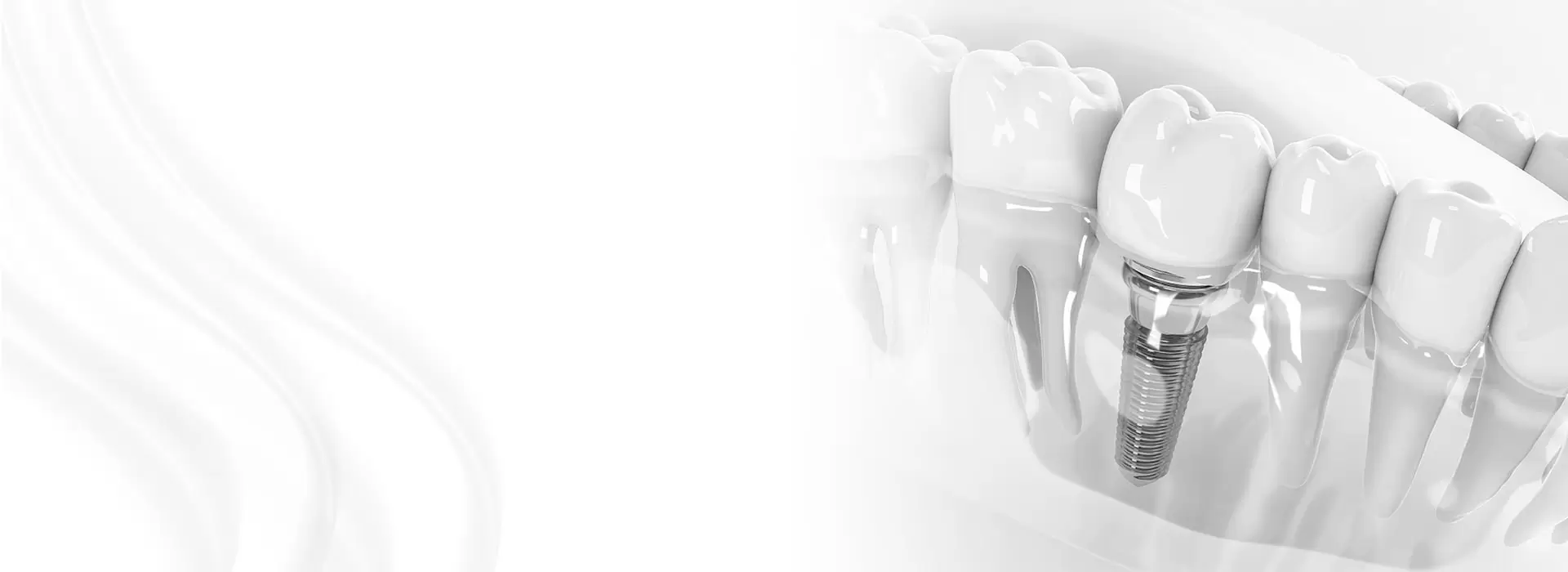
Larger fractures that expose the underlying metal or zirconia subframe, or chips on front teeth that affect the smile line, usually require a full replacement. The dentist takes new impressions, sends them to a local dental laboratory, and fabricates a new crown. In Turkey, lab turnaround for a single unit is commonly 24 to 72 hours, which fits comfortably inside a standard two-week European holiday from Sydney or Melbourne.
Some travellers wonder whether they should simply fly home and have their own dentist redo the work. This can be sensible if the damage is minor and a local dentist can be seen within a few days. For major fractures, however, completing treatment on-site reduces the risk of the underlying tooth cracking further during the return flight. Cabin pressure changes during long-haul travel do not damage restorations directly, but the vibrations and pressure swings of a 20-hour journey from Sydney can worsen a fragile temporary crown.
Coordinating with your home dentist
Communication with the dentist who placed the original crown is helpful whenever possible. Australian dentists are accustomed to receiving clinical notes and digital scans from overseas clinics, and many use secure portals that accept international files. Before leaving for an extended trip, it is worth asking the home clinic for a copy of the latest X-rays, the crown's material specification, and the shade used. These details allow an overseas dentist to fabricate a near-identical replacement if a new crown becomes necessary.
The Australian Dental Association also recommends that returning travellers bring home a written summary of any treatment performed abroad, including materials, batch numbers for implants or ceramics where applicable, and any medications prescribed. This allows the home dentist to continue care without repeating diagnostic work.
For patients whose dental extras include cover for follow-up treatment, claims should be filed within the policy window, typically 30 to 90 days after the service. Keeping itemised receipts and converting them to AUD helps when the insurer calculates the rebate. Some Australian insurers also require a pre-approval letter for planned overseas treatment, which is worth requesting if the patient already knew about an aging crown before departure.
Returning to complete the treatment
Once back in Australia, a follow-up appointment with the home dentist checks the fit, bite, and margins of any work performed abroad. This is particularly important for crowns, since a poor fit can lead to decay underneath within months rather than years. The dentist may take new X-rays to confirm the cement seal and inspect the contact points with neighbouring teeth.
If the temporary repair performed overseas is intended as a stopgap, the long-term plan might include a new crown placed at home, especially if the underlying tooth has shifted or if the patient wants to upgrade to a different material. Many Australians consider replacing older porcelain-fused-to-metal crowns with full zirconia or lithium disilicate options, both of which are stronger and more aesthetic.
Schedule a routine check and clean six months after any major overseas treatment. This gives the dentist time to monitor the gum response, check the bite, and confirm that nothing has shifted. Patients who grind their teeth, which is common in stress-heavy periods of long-haul travel, may also benefit from a custom night guard to protect the new restoration.
Preventing crown damage on future trips
Prevention is always cheaper than repair. Travellers who already have older crowns should ask about a protective night guard before any long international trip, particularly if they know they grind under stress. Avoiding very hard foods during the first few days of a holiday, when the bite may still be adjusting after a long flight, also helps.
A small travel dental kit is worth packing in cabin baggage. Include dental floss, a small tube of temporary filling material, orthodontic wax, paracetamol, ibuprofen, and a folded copy of recent X-rays on a USB or secure email link. Australian customs permits these items without declaration, but controlled substances such as codeine-based painkillers require a prescription and should be carried in original packaging.
Finally, book the next routine dental check before leaving home. A quick examination can spot crowns approaching failure, replace weak temporary cement, and identify any teeth at risk before the patient steps onto a long-haul flight to Istanbul, Athens, or beyond. With a little preparation, a chipped crown on the other side of the world becomes a minor inconvenience rather than a trip-ending emergency.
Ready to plan a worry-free dental treatment abroad or arrange a check-up before your next long trip? Reach out to TruDent Clinics to discuss personalised treatment options tailored to your travel plans and ongoing dental health.