What Is the Recovery Time for Multiple Dental Implants?
The recovery time for multiple dental implants varies from patient to patient, but most people can return to light daily activities within a few days. The gums may feel tender, swollen, or bruised during the first week, while the deeper healing process continues for several months.
A complete implant treatment has several stages. The surgical sites must heal, the jawbone must bond with the implant posts, and the permanent crowns or bridge must be fitted accurately. For many patients, the full process takes between three and nine months, although some cases can be completed sooner with immediate loading.
Your timeline depends on the number and location of implants, bone quality, gum health, and whether procedures such as bone grafting or a sinus lift are needed. A personalized examination and treatment plan provide the clearest estimate before surgery.
What Recovery Usually Looks Like
The first phase is soft-tissue healing around the implant sites. Swelling and tenderness often reach their highest point within the first two or three days, then gradually improve. Many patients manage discomfort with medication recommended by their dentist and return to desk-based work after two or three days.
By the end of the first week, bruising and swelling are usually much less noticeable. Dissolvable stitches may disappear on their own, while other sutures may be removed during a follow-up appointment. The gums can still feel sensitive, especially when several implants have been placed in the same arch.
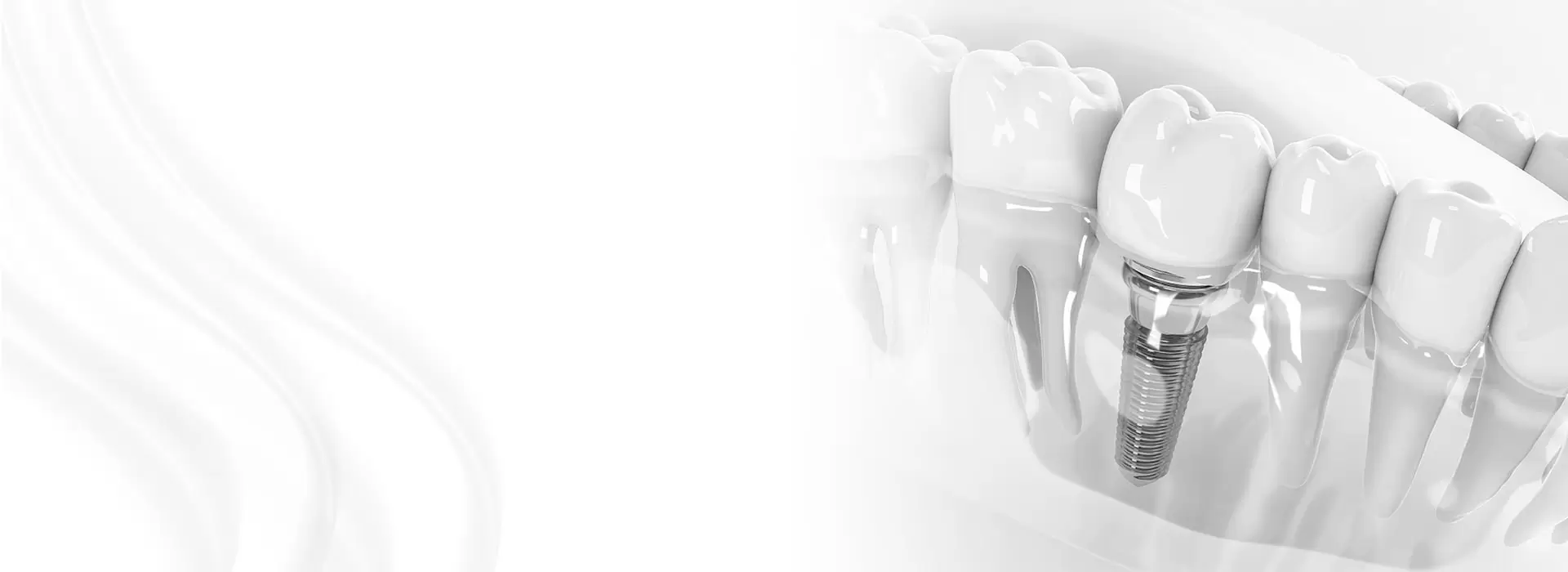
The deeper stage is called osseointegration. During this period, the titanium implant gradually becomes integrated with the surrounding jawbone. This process is essential for stability and commonly takes three to six months, although individual healing rates differ.
The First Days After Implant Surgery
Immediately after surgery, it is normal to experience mild bleeding, facial swelling, jaw stiffness, and altered sensation around the treated area. Applying a cold compress in short intervals during the first day may help reduce swelling. Resting with the head slightly elevated can also make the first night more comfortable.
Your dentist may advise a soft or liquid diet for several days. Foods such as yogurt, eggs, soups served at a safe temperature, mashed vegetables, and smoothies without hard seeds are generally easier to manage. Avoid chewing directly over the surgical sites, especially if temporary teeth have been fitted.
Oral hygiene remains important, but the surgical area should be treated gently. Follow the clinic’s instructions about brushing, rinsing, and prescribed medication. Smoking and alcohol can interfere with circulation and wound healing, so avoiding them during the recovery period is strongly recommended.
Severe or worsening pain, persistent bleeding, fever, pus, a loose implant, or swelling that increases after the first few days should be reported promptly. These symptoms do not always mean treatment has failed, but they require professional assessment.
From Implant Placement To Permanent Teeth
After the gums have healed, the implants still need time to bond with the bone before they can reliably support permanent restorations. Your dentist may attach temporary teeth during this stage, allowing you to speak and smile while protecting the healing implants.
Some patients qualify for same-day or immediate-load treatment, in which temporary teeth are attached shortly after implant placement. This approach can shorten the period without fixed teeth, but it is only suitable when factors such as bone stability, bite pressure, and overall oral health meet specific requirements.
The final crowns, bridge, or full-arch restoration are usually made after the implants have become stable. Impressions or digital scans are taken, and the restoration is designed to fit your bite, facial appearance, and speech. Several appointments may be needed for shade checks, try-ins, and adjustments.
| Recovery Stage |
Typical Timeframe |
What You May Notice |
| Immediate post-surgical period |
First 24–72 hours |
Swelling, tenderness, mild bleeding, and fatigue |
| Early gum healing |
About 1–2 weeks |
Improved comfort, reduced swelling, possible suture review |
| Bone integration |
Around 3–6 months |
Few visible symptoms, but implants remain biologically stabilizing |
| Bone graft recovery |
Approximately 4–9 months or longer |
Additional healing before or alongside implant placement |
| Permanent restoration |
After integration is confirmed |
Final crowns, bridge, or full-arch teeth are fitted |
Factors That Can Extend Healing
The number of implants does not automatically determine the length of recovery. Placing four implants in one arch may involve a different surgical approach from placing several individual implants in separate areas. The position of each implant, the condition of the jawbone, and the type of restoration all influence the schedule.
Bone density is especially important. If the jawbone has become thin after tooth loss, a bone graft may be needed to create adequate support. A sinus lift may also be recommended for implants in the upper back jaw. These additional procedures can add several months to the overall treatment.
Gum disease, uncontrolled diabetes, poor nutrition, and tobacco use may slow tissue repair or raise the risk of complications. Existing infections must usually be treated before implants are placed. A thorough medical and dental assessment helps identify these issues early.
Treatment quality also matters. Choosing a qualified implant provider with appropriate imaging, sterile protocols, and experience in complex cases supports safer planning. Patients comparing clinics may benefit from reading guidance on choosing the right dentist before committing to treatment.
How To Support A Smooth Recovery
Protecting the surgical area is the most important responsibility during the early healing period. Avoid hard, sticky, or crunchy foods that could place pressure on the implants. If temporary teeth are provided, use them as directed rather than testing them with tough foods before the dentist confirms that it is safe.
Keep every review appointment, even if the area feels comfortable. Follow-up visits allow the dental team to check gum healing, implant stability, hygiene, and the condition of temporary restorations. X-rays or three-dimensional scans may be used before the permanent teeth are produced.
Good general health supports recovery. Drink enough water, eat protein-rich soft foods, take medication exactly as prescribed, and maintain gentle oral hygiene. Do not stop antibiotics or other prescribed medicines without speaking with the treating clinician.
Physical activity can usually resume gradually, but strenuous exercise may be restricted for several days. Contact sports should be avoided until the dentist confirms that the tissues and temporary restorations are sufficiently protected.
Planning Dental Implant Treatment In Izmir
Patients traveling to Izmir for multiple dental implants should plan around the different stages of care rather than treating the procedure as a single appointment. The initial consultation may include a clinical examination, digital scans, photographs, and a review of medical history. These findings help determine whether immediate implants, staged treatment, grafting, or temporary teeth are appropriate.
It may be possible to complete surgery during one visit and arrange follow-up care during a later trip, but this depends on the treatment design. The clinic should explain how long you need to remain locally after surgery, when you can safely fly, and how remote monitoring will work if you return home between appointments.
Before treatment, request a written schedule covering implant placement, temporary restoration, healing checks, and final teeth. You should also understand what happens if an implant needs additional healing time or if an adjustment is required after you return home.
Recovery Checklist For Multiple Implants
- Arrange several days of reduced activity after surgery, especially if implants are being placed in both jaws.
- Prepare soft, nutritious foods and use medication only as directed by your dental team.
- Avoid smoking, alcohol, vigorous exercise, and pressure on the implant sites during early healing.
- Attend every examination so the dentist can monitor bone integration and gum health.
- Report increasing pain, fever, unusual discharge, persistent bleeding, or implant movement without delay.
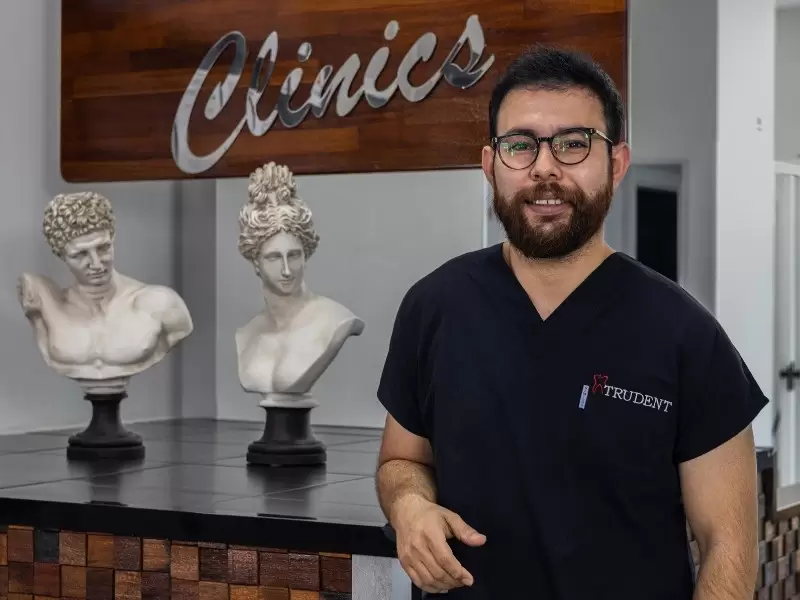
The most accurate recovery estimate comes from an examination that considers your bone, gums, medical history, and planned restoration. TruDent Clinics can assess your needs in Izmir and develop a staged plan for multiple implants, temporary teeth, and final restoration. Schedule a consultation to discuss your expected healing time and the safest route to a stable, natural-looking smile.