How Digital Smile Design Guides Dental Treatment Planning
A smile can look different in a photograph, a video call and everyday conversation. Digital Smile Design helps dental teams study those differences before treatment begins, using facial images, dental scans, photographs and computer-based planning to create a more complete picture of the proposed result.
For patients considering veneers, crowns, whitening, aligners or implants, this technology can make the planning process easier to understand. Rather than choosing a treatment from a generic example, you can review a personalised smile concept and discuss how it should fit your face, bite, lifestyle and long-term oral health.
What Digital Smile Design Means
Digital Smile Design is a structured approach to cosmetic and restorative dentistry. Your dentist collects clinical photographs, intraoral scans, X-rays where needed and information about your facial proportions. These records are combined to assess tooth shape, colour, gum display, lip movement and the relationship between your smile and the rest of your face.
The software does not simply produce a polished image. It helps the clinical team examine how proposed changes may affect speech, chewing, tooth position and facial balance. This is important because a smile that looks attractive in a still image may feel uncomfortable or appear unnatural when you talk, laugh or move.
The process also creates a shared visual language. You and your dentist can discuss terms such as tooth length, symmetry, incisal edges and gum levels while looking at the same plan. That can be particularly helpful when explaining subtle preferences, such as a softer tooth shape or a less prominent change in tooth colour.
How It Supports Diagnosis
A digital smile plan begins with diagnosis rather than decoration. The dentist assesses existing fillings, enamel, gum health, tooth wear, crowding, bite forces and signs of clenching. If the foundations are not healthy, cosmetic treatment may need to wait until those concerns are managed.
Facial analysis can reveal details that are easy to miss during a brief visual examination. For example, the midline of the teeth may not align perfectly with the centre of the face, or one side of the smile may show more gum than the other. These findings do not automatically require correction, but they help the dentist decide whether a proposed change will look balanced.
Digital records can also be compared over time. If aligners are being used before veneers, or if an implant is planned after tooth removal, the images and scans provide a reference for each stage. This supports a more coordinated treatment sequence and reduces the likelihood of making irreversible changes too early.
From Virtual Preview To Treatment Plan
A computer simulation is a planning tool, not a guaranteed final result. Once the proposed design is prepared, the dental team may create a temporary mock-up or trial smile. This can be placed over the teeth so you can see how the planned length, width and contour look in your own mouth.
A trial stage encourages useful adjustments. You may prefer slightly shorter front teeth, a more natural shade or less change to the side teeth. Your dentist can also assess how the mock-up affects your bite, lip support and pronunciation. These observations can lead to revisions before any enamel is reshaped or restorations are made.
The approved concept is then translated into clinical instructions for the laboratory and treatment team. Measurements, photographs and digital files help guide preparation, temporary restorations, ceramic design, aligner staging or implant restoration. This connection between planning and delivery is one of the main advantages of a digital workflow.
Why It Matters For Australian Patients
Australian patients often compare dental costs carefully because Medicare generally does not cover routine adult dental care. Private health insurance extras may contribute to some services, but annual limits, waiting periods and item restrictions vary. A digital plan can make the proposed treatment easier to understand before you commit to a significant cosmetic or restorative expense.
It can also help patients who are travelling from cities such as Sydney, Melbourne, Brisbane or Perth for treatment in Izmir. A clear plan gives you a better opportunity to discuss the sequence, number of visits, temporary options and review arrangements before booking flights. Long-haul travel and time away from work make practical preparation especially valuable.
The communication style matters too. Many Australians appreciate a straightforward explanation without a hard sell, whether they call it a “no-nonsense” chat or simply want to know what is essential and what is optional. Reviewing a visual simulation can make that conversation more concrete, especially when comparing veneers with orthodontics, whitening or minimal reshaping.
For patients using private insurance, the digital design itself may not be a separately claimable service. Coverage normally depends on the dental procedure, policy and item number rather than the software used. Confirming this with your insurer and requesting a written treatment estimate can help avoid surprises.
Where Technology Has Limits
Digital planning cannot predict every biological response. Gum tissue may heal differently from the simulation, teeth can change shade over time, and the final appearance of ceramic restorations depends on lighting, material selection and laboratory techniques. The plan must therefore be treated as an informed guide rather than a promise of identical pixels.
A photograph can also hide functional problems. Tooth wear, jaw tension, periodontal disease and an unstable bite require clinical evaluation. If a patient has active decay or gum inflammation, proceeding directly to cosmetic treatment may compromise the result. A responsible dentist will prioritise oral health even when the requested change is mainly aesthetic.
Patient expectations remain central. A virtual design can show what may be possible, but it cannot remove natural variation or guarantee that a smile will resemble a celebrity’s. Good planning includes a discussion about maintenance, repair, replacement and how the result may age.
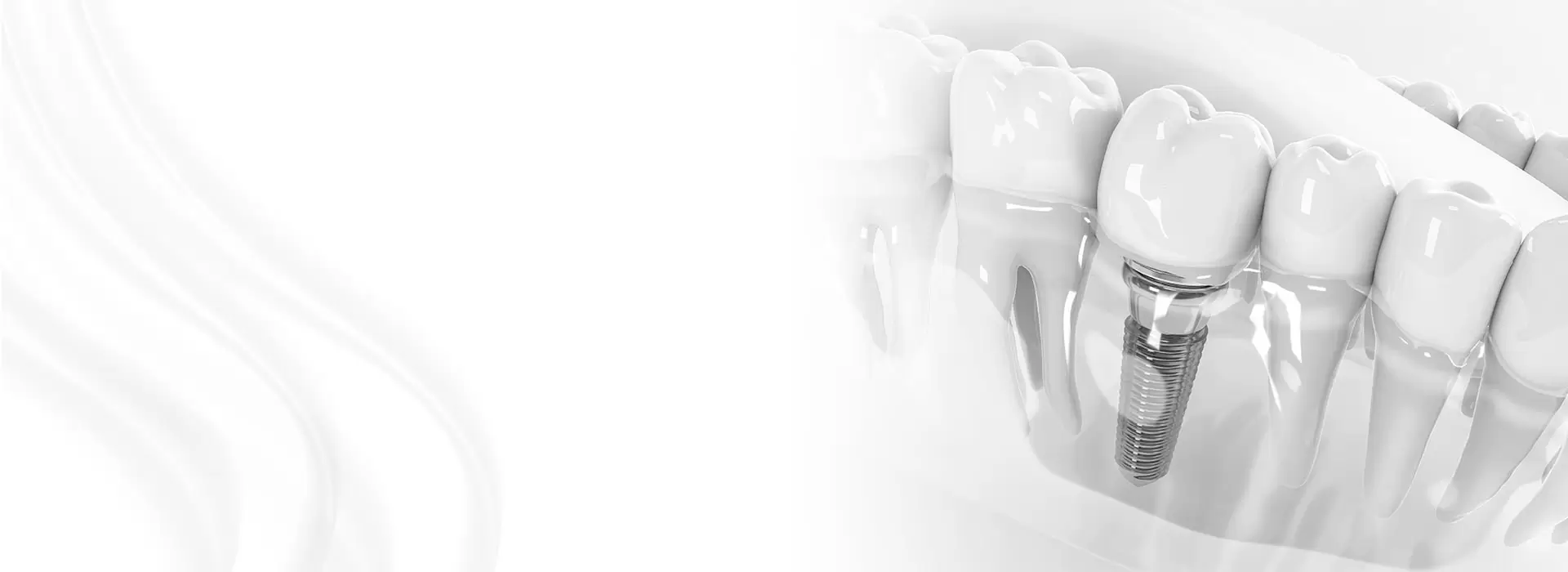
For implant cases, the smile plan should be integrated with three-dimensional imaging and bone assessment. The visible tooth position must work with the implant’s biological and mechanical requirements. Patients comparing materials can also review information about metal-free implant options, while recognising that material selection depends on individual anatomy and clinical needs.
Planning Details Worth Reviewing
Before approving a treatment concept, ask the clinic to explain the records used, the stages involved and the alternatives available. A good plan should connect the aesthetic objective with a clear clinical reason for each procedure.
Useful points to review include:
- Whether photographs, scans and X-rays are all needed
- Which teeth will be changed and which will remain untouched
- How the proposed design will affect the bite and speech
- What temporary restorations or trial stages are available
Your consultation should also cover the practical side of care. Ask how many appointments may be required, when final restorations are fitted, what happens if adjustments are needed and how follow-up is managed after returning to Australia.
Important questions may include:
- What happens if the result needs refinement?
- How long are the restorations expected to last?
- Which maintenance visits are recommended?
- What is included in the written quotation?
This information is particularly important when treatment involves international travel. A detailed plan can help you coordinate leave from work, accommodation, flights and post-treatment reviews without relying on assumptions.
How It Works With Different Treatments
For veneers, digital planning helps assess tooth proportions, smile width, shade and the amount of preparation required. In some cases, the proposed design may show that a less invasive option, such as orthodontic alignment or whitening, could achieve part of the desired change.
With crowns, the design must protect weakened teeth while restoring their shape and function. The digital preview supports communication about contour and colour, but the dentist still needs to assess cracks, existing fillings, bite pressure and the amount of healthy tooth structure available.
For clear aligners, the software can illustrate projected tooth movements and create a staged sequence. The final outcome depends on wearing the aligners as directed, biological response and refinements. Digital planning may also help coordinate aligners with later whitening or restorative work.
Implant planning combines the future smile design with surgical and restorative information. The desired crown position can guide the implant position, while scans help evaluate bone volume and nearby structures. This coordinated approach is useful when replacing a visible front tooth or rebuilding several missing teeth.
Making The Consultation More Predictable
At TruDent Clinics, digital smile planning can support a personalised discussion about cosmetic and general dental care in Izmir. The purpose is to understand your priorities, examine your oral health and build a treatment sequence that matches your needs rather than forcing every patient into the same process.
A consultation may involve photographs, scans, clinical assessment and discussion of options such as veneers, crowns, whitening, aligners or implants. Emergency and general dental concerns should be addressed alongside aesthetic goals, because a healthy foundation contributes to comfort, function and longevity.
The most valuable role of digital smile design is the clarity it brings before treatment starts. It helps patients visualise possibilities, helps clinicians coordinate decisions and gives both sides an opportunity to identify concerns while changes are still reversible.
Book a consultation with TruDent Clinics to review your smile goals, explore suitable treatment options and receive a personalised plan before making a decision.