How Veneers Hold Up Over a Decade
Veneers can transform the colour, shape and symmetry of visible teeth, but they are not considered a permanent treatment. Their lifespan depends on the material used, the condition of the teeth beneath them, bite forces, oral hygiene and the quality of the original planning. With suitable care, many patients continue to enjoy an attractive smile ten years after placement.
The question “What is the success rate of veneers after 10 years?” does not have one universal answer. Dental studies measure different outcomes, including whether a veneer remains attached, whether it looks acceptable, and whether the tooth underneath remains healthy. A veneer can still be in place at ten years yet require polishing, repair or replacement because of staining, wear or a small fracture.
Porcelain veneers generally have stronger long-term evidence than composite resin veneers. Research commonly reports ten-year survival for porcelain veneers in the broad range of approximately 90–95% in carefully selected cases, although results vary between studies and patient groups. Composite veneers may have a shorter average lifespan, but they can often be repaired more easily and may involve less tooth preparation.
For patients in Australia, treatment decisions may involve comparing local care in Sydney, Melbourne, Brisbane or Perth with treatment overseas. The initial price is only one part of the calculation. Follow-up visits, travel, warranty terms, maintenance and the process for handling a complication should all be assessed before treatment begins.
What the ten-year numbers mean
“Survival” usually means the veneer is still functioning without being completely replaced. “Success” can be a stricter measure, taking account of marginal staining, small chips, loss of gloss, sensitivity, gum changes or the need for adjustments. This explains why a published survival rate may sound excellent while some patients still need minor treatment before the ten-year mark.
A veneer may also last longer than ten years without looking exactly as it did on the day it was fitted. Natural teeth can change colour, gums can recede slightly and the surrounding restorations may age at different rates. Regular examinations allow a dentist to identify early problems and preserve the underlying tooth instead of waiting until a veneer breaks.
Material makes a measurable difference
Porcelain veneers are thin ceramic shells bonded to the front surface of prepared teeth. High-quality ceramics are resistant to everyday staining from coffee, tea, red wine and foods with strong pigments. They also maintain a reflective surface that resembles natural enamel. Their main risks include fracture, debonding and damage caused by heavy clenching or an unstable bite.
Composite resin is applied directly to the tooth and shaped by the dentist. It is usually less expensive and can often be completed with minimal preparation in fewer appointments. It may, however, stain, lose surface polish or chip sooner than porcelain. Composite can be a practical option for selected cosmetic changes, particularly when a patient wants a reversible or more easily repairable approach.
The strongest option is not automatically the right option. A dentist must assess enamel thickness, tooth position, gum health, bite alignment and the amount of change the patient wants. In some cases, orthodontic treatment, whitening or edge bonding may achieve the desired improvement with less intervention than a full set of veneers.
What shortens veneer lifespan
Bruxism, or grinding and clenching, is one of the most important threats to long-term veneer performance. Repeated pressure can create tiny cracks, loosen the bonding interface or fracture the ceramic. A custom night guard may reduce this risk, although it does not replace an assessment of the underlying bite and jaw muscles.
Using teeth as tools can cause sudden damage. Biting fingernails, opening packaging, chewing ice and cracking hard shells place concentrated forces on the front teeth. Contact sports also deserve attention. Australians who play AFL, rugby, hockey, basketball or weekend football should consider a properly fitted mouthguard to protect veneers and natural teeth.
Untreated decay, gum disease and poor bonding conditions can also reduce the ten-year outlook. Veneers do not seal a mouth against bacteria if plaque accumulates around the edges. Smoking and frequent exposure to staining drinks may affect the appearance of the smile, while acidic drinks can contribute to enamel erosion and sensitivity.
Daily care in Australian conditions
Veneered teeth should be brushed twice daily with a soft toothbrush and fluoride toothpaste, with careful cleaning along the gumline. Floss or interdental brushes help remove plaque between teeth, where inflammation can gradually affect the margins of restorations. Routine dental reviews are useful even when the smile looks unchanged.
Many Australians start the day with coffee and may drink several cups during work or commuting. Coffee does not automatically ruin porcelain veneers, but repeated exposure can stain the natural teeth beside them and make the smile appear uneven. Rinsing with water after coffee, limiting grazing on acidic drinks and waiting before brushing after acidic foods can help protect enamel.
Professional cleaning can remove plaque and surface deposits, but abrasive polishing should be used appropriately. Whitening products may brighten natural enamel without changing the shade of existing porcelain. For this reason, whitening is often best planned before veneers are made, since the ceramic colour is selected to match the desired final shade.
Planning treatment at home or overseas
Australians considering dental tourism should confirm who will provide the consultation, scans, preparation, fitting and aftercare. A remote assessment can be useful, but it cannot always identify gum disease, hidden decay, bite problems or the need for X-rays. A local dentist may also need to manage follow-up care after a patient returns home.
Before travelling, patients can review practical guidance about a pre-travel dental consultation, particularly when existing fillings, sensitivity, gum concerns or untreated pain may complicate cosmetic treatment. Planning the health of the mouth first helps reduce the risk of combining elective work with an unrecognised dental problem.
Australian patients should also understand that cosmetic dental procedures are often excluded from private health insurance or only attract limited benefits. If treatment is provided overseas, Australian consumer protections and local complaint pathways may not apply in the same way. In Australia, registered dental practitioners are regulated through the Australian Health Practitioner Regulation Agency, and advertising must follow professional standards; overseas clinics operate under their own regulatory systems.
A written treatment plan should state the material, number of veneers, preparation method, laboratory details, review schedule and what happens if a veneer chips or becomes loose. Patients should ask whether digital scans, bite records and clinical photographs are included. They should also allow time for a proper review after returning to Australia rather than flying home immediately after placement.
When replacement becomes necessary
A veneer may require replacement because of a fracture, persistent debonding, severe staining at the margin or decay affecting the tooth underneath. Sometimes only one veneer needs attention, although matching a new ceramic piece to older veneers can be difficult. The dentist may recommend replacing several restorations when colour, shape or translucency has changed noticeably over time.
Replacement is not always the first response. A small chip may be polished or repaired, and a minor bonding issue may be corrected without removing the entire veneer. The appropriate solution depends on the amount of remaining ceramic, the condition of the tooth and whether the original cause was addressed. Repeated breakage can signal clenching, an uneven bite or excessive preparation.
A careful assessment should include the gums, enamel, bite, jaw symptoms and any signs of decay. Patients with jaw tension, headaches or suspected grinding may benefit from an evaluation of their bite and muscle activity. Botulinum toxin may be considered for selected jaw-related concerns, but it is not a substitute for correcting dental causes or protecting the restorations.
A ten-year result is most likely when veneers are placed on healthy teeth, bonded under controlled conditions and maintained with consistent home care. The best long-term prediction comes from individual examination rather than a headline percentage.
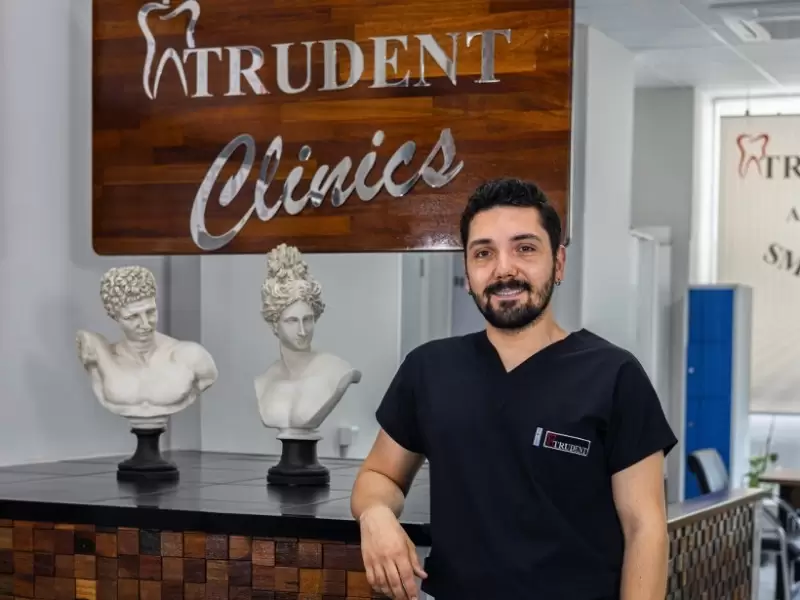
TruDent Clinics in Izmir can assess your smile goals, oral health, bite and suitable restorative material before recommending a personalised plan. Schedule a consultation to discuss porcelain or composite veneers, alternatives such as aligners or whitening, expected maintenance and the practical arrangements for treatment and follow-up.