Asking the right questions about how long dental crowns really last
Most Australians who invest in a dental crown want the restoration to last well beyond a decade, yet the reality of crown longevity depends on far more than the price tag. From the choice of material to everyday habits, several variables quietly determine whether a crown survives five years or twenty-five. Patients in Sydney, Melbourne, and Brisbane often compare quotes without realising that two crowns priced similarly can have dramatically different lifespans.
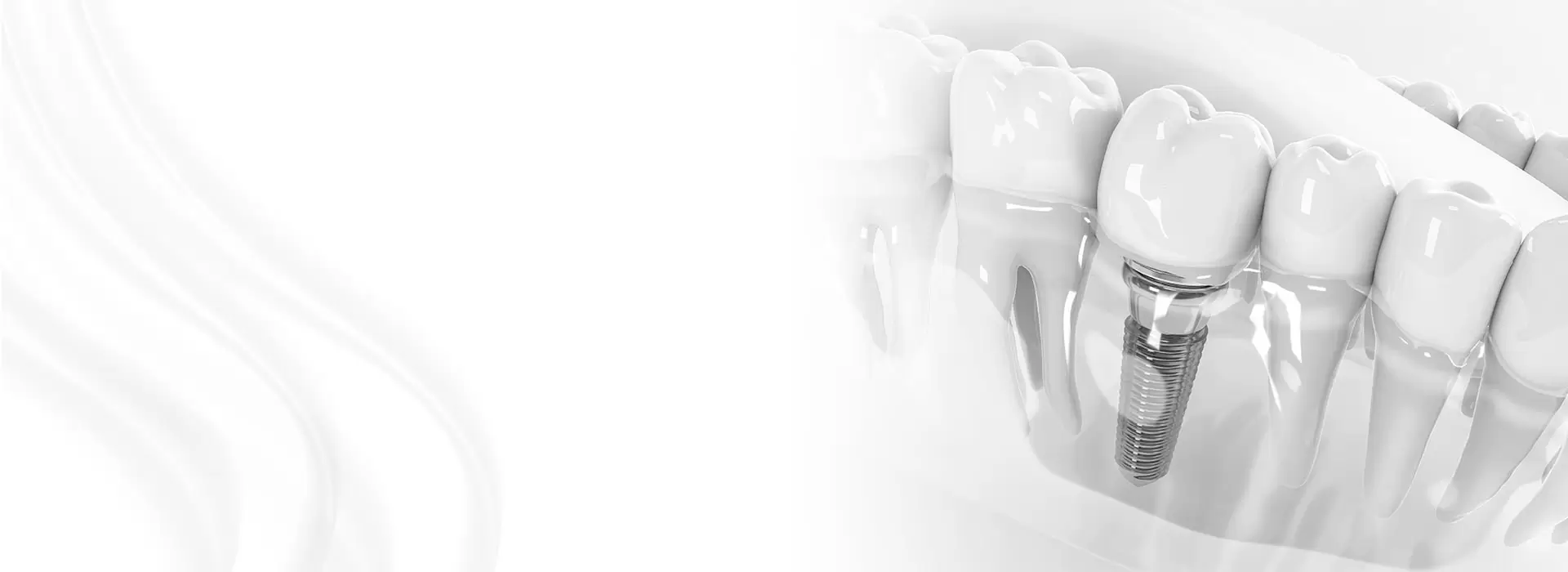
A crown is essentially a custom-made cap that covers a damaged or weakened tooth, restoring its shape, strength, and appearance. While modern materials are impressibly durable, no dental restoration is truly permanent. The Australian Dental Association acknowledges that even well-maintained crowns typically require replacement at some point, which is why understanding the factors that influence durability matters before you commit.
Asking thoughtful questions at your consultation helps you separate marketing claims from clinical evidence. Whether you live in Adelaide, Perth, or a regional town like Cairns, the principles of crown care remain the same, but access to follow-up care and the cost of revisions can vary considerably. Knowing what to ask gives you a clearer picture of long-term value.
This guide walks through the key questions worth raising with your dentist about crown lifespan. You'll find practical considerations, a side-by-side comparison of common materials, and aftercare guidance tailored to everyday Australian lifestyles.
Materials used and how long they really last
Crowns come in several material families, each with distinct durability profiles. Porcelain-fused-to-metal (PFM) crowns have been a reliable workhorse for decades, generally lasting ten to fifteen years with proper care. All-ceramic options, particularly those milled from zirconia, can stretch beyond fifteen years and offer superior aesthetics. Full metal crowns, often gold alloys, occasionally outlast every other type, sometimes functioning for thirty years or more.
Composite resin crowns sit at the more affordable end but usually need replacement within five to seven years. They suit short-term solutions or temporary coverage while a permanent crown is being fabricated. Within Australia, most private clinics offer all four categories, though the cheapest isn't always the most economical over a lifetime.
The material you choose should match the tooth's location. Molars endure tremendous chewing forces, so strength often trumps appearance in the back of the mouth. Front teeth demand translucency and shade-matching, where porcelain or zirconia excel. Discussing these trade-offs with your clinician ensures your crown is fit for purpose, not just visually appealing.
Lifestyle factors that shorten crown life
Certain everyday habits quietly erode even the toughest crown. Australians who enjoy a daily flat white or long black should know that coffee tannins, much like tea and red wine, gradually stain ceramic surfaces, especially where the gum line is exposed. Grinding or clenching teeth, a problem often worsened by stress or sleep apnoea, places lateral forces that crack porcelain over time.
Chewing ice, biting fingernails, or using teeth to open packaging chips the glaze and weakens the bond. Contact sports without a custom mouthguard, common in rugby and AFL, expose crowns to trauma that can dislodge them entirely. Heavy smokers also face higher failure rates because tobacco compromises gum health and slows healing around the crowned tooth.
Lifestyle factors worth raising with your dentist:
- Frequent consumption of staining beverages such as coffee, tea, or red wine
- Bruxism (night grinding) or a history of cracked teeth
- Contact sport participation without a professionally fitted mouthguard
- Smoking or vaping, which affects gum attachment and bone support
Why the clinician's technique matters
Even the finest material will fail prematurely if the crown is poorly designed or seated. The dentist's preparation of the underlying tooth must follow precise angles and reduction depths to give the crown enough bulk without weakening the core. Digital impression systems, now standard in many Australian clinics, capture tooth contours more accurately than traditional putty impressions, leading to a tighter marginal seal.
The choice of cement or bonding agent also influences how long a crown stays put. Resin-bonded ceramics, for instance, chemically fuse to the tooth structure and tend to outperform older glass-ionomer cements in long-term studies. Equally important is the communication between your dentist and the dental laboratory. A local Australian lab with experienced technicians usually delivers better marginal fit than an overseas mass-production facility.
Ask whether the clinic uses CAD/CAM milling for same-day crowns or works with a trusted external technician. Both routes can produce excellent results, but the workflow affects turnaround, adjustments, and ultimately how well the crown integrates with your bite.
Comparing common crown materials side by side
A quick reference helps weigh up the most common crown types used across Australian practices.
| Material |
Average lifespan |
Strength |
Aesthetic appeal |
Typical cost per crown (AUD) |
| Porcelain-fused-to-metal |
10–15 years |
High |
Moderate (metal edge may show) |
$1,500–$2,200 |
| All-ceramic / zirconia |
15–20+ years |
Very high |
Excellent |
$1,800–$2,800 |
| Full metal (gold alloy) |
20–30+ years |
Excellent |
Low (metallic colour) |
$1,600–$2,500 |
| Composite resin |
5–7 years |
Moderate |
Good initially, stains over time |
$900–$1,400 |
Costs above reflect typical private clinic fees in capital cities and exclude private health insurance rebates. Regional areas and fly-in-fly-out dental services may charge differently.
The numbers reflect starting prices at many private clinics and assume a straightforward single-tooth restoration. Complex cases involving root canal therapy, build-ups, or gum contouring will add to the final invoice. Use this comparison as a starting point for conversation rather than a fixed quote, since your dentist will base their recommendation on the tooth's condition, your bite, and your long-term goals.
Caring for your crown after the procedure
Aftercare plays a decisive role in whether a crown reaches the upper end of its expected lifespan. The first 48 hours matter most, as the cement cures fully and the gum tissue settles. Patients are usually advised to avoid very hot or hard foods initially, and to chew on the opposite side until any tenderness fades. If you've undergone additional procedures alongside the crown, following guidance on speeding up recovery after oral surgery can reduce swelling and help you return to normal eating sooner.
Long-term care follows the same principles as natural teeth: twice-daily brushing with fluoride toothpaste, daily flossing around the margin, and regular hygienist visits. A water flosser is particularly useful for cleaning beneath crown edges where traditional floss may snag. Avoid abrasive whitening pastes that scratch ceramic glaze and dull the surface.
Aftercare habits that support crown longevity:
- Brush with a soft-bristled brush and non-abrasive fluoride toothpaste
- Floss daily, paying close attention to the crown margins
- Schedule professional cleans every six months, or more often if recommended
- Wear a night guard if you grind your teeth during sleep
Warranty, repairs, and questions to ask
Reputable clinics stand behind their work with some form of warranty, but the terms vary widely. Ask whether the guarantee covers the crown itself, the laboratory workmanship, or both. Some practices in Sydney and Melbourne offer five-year warranties on zirconia restorations, while others provide only short-term coverage. Get the details in writing, including what happens if the crown fails due to a manufacturing defect versus accidental damage.
Inquire about the cost of replacement should the crown fail outside the warranty period. Many clinics charge a reduced fee for existing patients, particularly if the original lab records are still on file. You should also ask how quickly the practice can remake and recement a crown if it debonds, since delays leave the underlying tooth vulnerable.
Documentation is everything. Keep digital copies of your treatment records, materials used, and the date of placement. If you move cities or switch dentists, this information helps your new clinician assess the crown's history without guesswork.
Cost, value, and the Australian dental market
Dental crowns sit in a higher price bracket than fillings or basic restorations, which is why Australian patients increasingly weigh longevity against upfront cost. Private health insurance extras cover typically reimburses between $500 and $1,000 per crown after waiting periods, leaving a gap payment that varies by insurer and policy. Without cover, the full fee falls on the patient, making durability an economic decision as much as a clinical one.
Regional Australians face added complexity. FIFO workers heading to remote sites like the Pilbara or central Queensland often schedule major dental work before long swings away from civilisation, where emergency repairs are practically impossible. Choosing a longer-lasting material reduces the risk of a failing crown far from a dentist.
Major-city clinics tend to offer in-house lab technicians and digital scanning, while smaller practices may outsource overseas. Both can deliver quality work, but turnaround times and revision policies differ. The cheapest quote isn't always the best value, particularly when a crown that lasts half as long effectively doubles your lifetime cost. Investing in a material and clinician that align with your circumstances typically pays for itself within a decade.
Book a consultation with TruDent Clinics to discuss personalised crown options, material choices, and a treatment plan tailored to your smile goals and budget.