Why A Smile Makeover Can Suit Even Minor Imperfections
A smile makeover is not reserved for people with severely damaged or missing teeth. Many Australians consider cosmetic dentistry because of small concerns that have gradually affected how they smile, speak, or appear in photographs. Slight discolouration, uneven edges, tiny gaps, worn enamel, or old dental work can be easy for others to overlook yet remain highly noticeable to the person experiencing them.
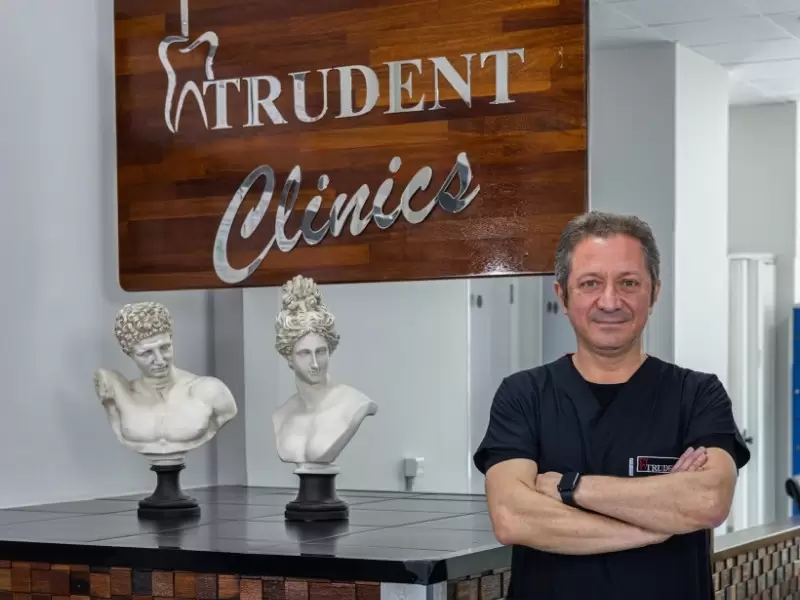
The aim is not to create an artificial or identical “perfect” smile. A well-planned treatment combines cosmetic and general dentistry to produce balanced, natural-looking results that suit your face, lifestyle, and oral health. For patients travelling from Australia to Izmir, Turkey, this may also provide access to a coordinated treatment plan through a clinic such as TruDent Clinics.
Small Details Can Influence Your Confidence
Minor imperfections often become more important over time. You may have started hiding your teeth in photos, covering your mouth when laughing, or feeling self-conscious during work presentations. These reactions do not mean that your teeth are unhealthy; they show that appearance and confidence are closely connected.
A small chip on a front tooth can draw attention because it interrupts the shape of your smile. Similarly, mild crowding or different tooth lengths can make your teeth appear less even, while stains from coffee, tea, red wine, or smoking may make whitening alone seem less effective. In Australia, where relaxed socialising over a flat white or weekend barbecues is part of everyday life, feeling comfortable when smiling can make a genuine difference.
A smile makeover may address several subtle details together rather than treating each one as an isolated flaw. The result can be a more harmonious smile without making dramatic changes to your overall appearance.
Cosmetic Dentistry Can Be Carefully Tailored
The phrase “smile makeover” describes a personalised combination of treatments rather than one fixed procedure. Depending on your needs, it may involve professional teeth whitening, porcelain veneers, composite bonding, crowns, invisible aligners, gum contouring, or dental implants. General dental care may be required first if there is decay, gum disease, an old filling, or another underlying concern.
Veneers can refine the colour, shape, and proportion of selected teeth, while bonding can repair small chips or close very minor spaces with limited alteration to the natural tooth. Crowns may be more appropriate when a tooth is structurally weakened, and clear aligners can gradually improve mild crowding or spacing before cosmetic finishing.
The best option depends on enamel condition, bite, gum health, facial proportions, and your long-term goals. A conservative plan may involve whitening and reshaping only, while another patient may benefit from several coordinated treatments. The purpose is to match the treatment to the problem, not to recommend every available procedure.
Planning Matters When Travelling From Australia
Australians considering treatment overseas often weigh quality, cost, travel time, and aftercare together. Izmir is a major coastal city with international connections, private healthcare services, and established dental tourism infrastructure. Patients commonly plan treatment around annual leave, school holidays, or a longer stay that allows time for appointments and recovery.
Travel planning should include more than the procedure itself. You may need an examination, digital scans, preparation appointments, temporary restorations, and a final review. Australians should also account for flights from cities such as Melbourne, Sydney, Brisbane, or Perth, along with accommodation, travel insurance, and possible follow-up visits. The Australian dollar, exchange rates, and the cost of returning for adjustments can all affect the overall budget.
A reputable clinic should explain the timeline clearly and identify which steps can be completed before you travel. It should also discuss how communication, records, and post-treatment concerns will be managed after you return home. This practical preparation helps prevent rushed decisions and supports safer, more predictable care.
Your Consultation Should Explore More Than Appearance
A proper consultation should examine your teeth, gums, bite, jaw movement, facial balance, and existing restorations. Photographs, X-rays, scans, or digital smile previews may help assess what is possible. If you experience jaw tension, headaches, or teeth grinding, these concerns should be considered before cosmetic work begins.
Patients who want to understand each stage can review this consultation process before making travel arrangements. Knowing what will be assessed can help you prepare your dental history, list any medications, and explain what you like or dislike about your current smile.
A consultation should also address maintenance. Whitening can fade, veneers and crowns require normal oral hygiene, and aligners depend on consistent wear. If you grind your teeth, a night guard may help protect restorations. Patients returning to Australia should receive clear instructions about cleaning, diet, review appointments, and what to do if a restoration feels uncomfortable.
Building A Smile Plan Around Your Priorities
Your treatment plan should reflect the changes you actually want to make. Some people want a brighter smile while keeping their natural shape; others are more concerned about symmetry, chipped edges, gaps, or teeth that look short. Communicating specific preferences gives the dentist a better basis for designing natural-looking results.
Useful points to discuss during planning include:
- The teeth you feel most self-conscious about
- Whether you prefer subtle or more noticeable changes
- Your preferred shade and tooth shape
- Your available travel and recovery time
There may be several ways to address the same concern. Mild discolouration could respond to whitening, whereas deep internal staining may require veneers or another restorative option. A small chip might be repaired with bonding rather than a crown. Asking about alternatives can help you understand the balance between appearance, durability, tooth preparation, and cost.
It can also help to separate your immediate priorities from future goals. A staged plan may allow you to improve your smile gradually, particularly if you are travelling from Australia and need to coordinate treatment with work commitments. Consider these practical factors as part of the decision:
- How long each treatment stage may take
- Whether temporary teeth will be needed
- What maintenance is expected over time
- How follow-up care will be arranged in Australia
A smile makeover should support your daily life, not create unnecessary inconvenience. The most satisfying outcome is usually one that looks proportionate, feels comfortable, and remains manageable with regular dental care.
Choosing treatment for minor imperfections is a personal decision, but small changes can have a meaningful effect on confidence. TruDent Clinics in Izmir can assess your oral health and discuss cosmetic options such as veneers, crowns, whitening, aligners, implants, or a combination of treatments. Schedule a consultation to receive a personalised plan based on your smile, dental condition, travel schedule, and long-term expectations.